
We speak with many small business owners who would love to work with others in the queer community but are hesitant to speak directly to those audiences for fear of alienating other potential clients. Despite that initial uncertainty, we encourage our queer clients who want to focus more on queer clientele to niche down because if done right, niching isn’t about shrinking your audience. Niching is about successfully expressing your relevance to the right audience.
When a business clearly signals “we understand you,” queer clients don’t have to spend energy decoding whether they’ll be respected, misgendered, stereotyped, or treated like a political debate. Reducing uncertainty matters. For many queer people, we have learned to brace for discomfort in everyday interactions. The perpetual coming out is exhausting especially in the business world can be exhausting. Which is why we positioned ourselves and our client process intentionally for safety and dignity. The result for us was more clients, not fewer, because the people who wanted to be truly seen in our experience working together, knew they could be their most authentic self with us.
Respect and comfort aren’t just values; they’re practices that actually help you convert clients. When someone feels authentically seen through inclusive language, thoughtful policies, and representation that doesn’t feel performative, they stay longer, ask more questions, and move through decision-making with less hesitation. That comfort becomes word-of-mouth. Queer communities have always relied on trusted recommendations because the stakes can be high: a bad experience can mean embarrassment, conflict, or even danger. So when a business earns trust, it can spread quickly through friend networks, community groups, and local scenes. In other words, a queer-centered approach doesn’t only create a good experience, it creates a shareable experience, and that’s how client rosters grow.

Reaching queer audiences requires understanding about what’s important to the demographic beyond surface-level aesthetics. Queer people aren’t a monolith, but many share a sensitivity to authenticity, a strong bullshit meter for tokenization, and a desire to support businesses whose values aren’t performative. That means niching well looks like specificity: clear values, community-minded actions, accessibility considerations, and marketing that reflects real lived experiences. It’s also about making it easy to say “yes”: transparent pricing, inclusive intake forms, diverse imagery, and messaging that speaks to what your clients actually worry about. When you make it clear to your clients that they will be understood by you, you reduce their emotional labor which makes your offer feel not only appealing, but relieving.
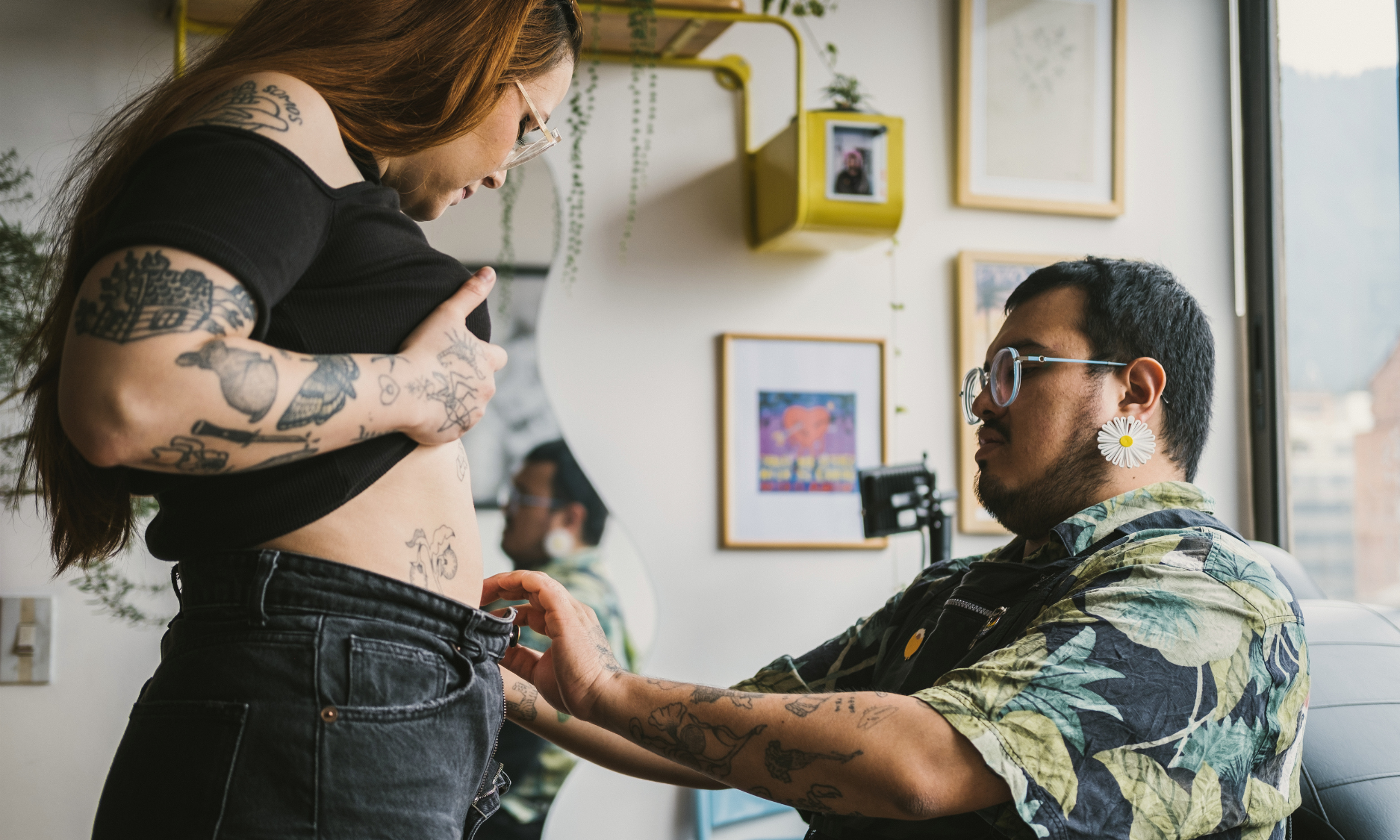
This type of niching makes sense for many important identities that people hold, including intersectional identities. Ultimately, niching works because it turns marketing into trust-building. It attracts clients who are actively seeking spaces that feel good and safe. It increases retention because people don’t want to leave what finally feels good, and it differentiates you in a crowded market where many brands still try to be “for everyone” and end up resonating deeply with no one. The goal isn’t to exclude, it’s to create clarity. And clarity is what brings aligned clients and customers in faster, keeps them longer, and inspires them to tell others, “These folks rock”.